
The Supplement Illusion
Most daily vitamins do not buy you longevity. But vitamin D, B12 and Omega-3 supplements can still be important when diet, lifestyle, or biology leave you short.

A broader cultural shift is underway in how Silicon Valley thinks about health, aging, and longevity. What was once a niche obsession has become a public performance of self-optimization, led by a class of tech entrepreneurs who treat the body as a system to be engineered. Bryan Johnson is the most visible example: his meticulously publicized regimen, supplement business, and, as of February 2026, even a $1 million-a-year “Immortals” program have turned personal experimentation into a commercial spectacle. Netflix amplified that spectacle with Don’t Die: The Man Who Wants to Live Forever, released on January 1, 2025, transforming Johnson’s self-experiment into mass-market entertainment. Dave Asprey, the entrepreneur who helped popularize the term “biohacking,” told GQ in 2025 that he spends about $3,000 a month on supplements and takes roughly 150 pills a day.
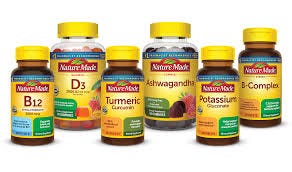
These figures are not just outliers; they are highly visible symbols of a much larger trend. Wellness has become a booming economic and cultural force. McKinsey now estimates the global wellness market at roughly $2 trillion and notes that younger consumers increasingly view wellness as a daily, personalized practice rather than an occasional purchase. In the United States alone, the market is valued at about $480 billion and is growing at up to 10 percent annually.
While multivitamins and daily vitamin supplements are extremely popular1, the U.S. Preventive Services Task Force concluded in 2022 that evidence was insufficient to recommend multivitamins, or most single or paired nutrient supplements, for preventing cardiovascular disease or cancer in healthy, nonpregnant adults. In fact, it recommended against using beta carotene or vitamin E for that purpose. A companion 2022 evidence review in JAMA was similarly deflating: vitamin and mineral supplementation was associated with little or no benefit in preventing cancer, cardiovascular disease, and death. In 2024, a large NIH-led cohort analysis of nearly 400,000 generally healthy U.S. adults found that daily multivitamin use was not associated with lower mortality risk over more than 20 years of follow-up. The evidence that swallowing more vitamin supplements each day will quietly buy you a longer life is, at best, underwhelming.
The question then arises? When does one take vitamins? The strongest cases for daily vitamin use are to help people reach recommended amounts when their diets fall short. For instance, folic acid is a genuine public-health success: the USPSTF recommends that people planning pregnancy or who could become pregnant take 400 to 800 micrograms daily to reduce the risk of neural tube defects. Also, vitamin B12 supplementation is often important for vegans, some vegetarians, older adults, and people with malabsorption problems, because B12 is naturally found in animal foods and deficiency can have neurological and hematologic consequences.
When Does One Need Vitamin B12 supplements?
Vitamin B12 is indispensable for red blood cell formation, nerve function, and DNA synthesis. The problem for vegans is straightforward: reliable natural sources of B12 are found almost entirely in animal-derived foods. Adults need to absorb only about 2.4 mcg2 per day, but that does not mean a supplement only needs to contain 2.4 mcg.3 For that reason, B12 supplementation is not optional in any practical sense for vegans; it is one of the few supplements they truly should take routinely. A commonly used maintenance strategy is 2,000 mcg once a week. In a 2019 randomized trial of vegans and vegetarians with marginal deficiency, both 50 mcg daily and 2,000 mcg weekly improved B12 status and metabolic markers.
When Does One Need Vitamin D supplements?
Vitamin D helps with calcium absorption and bone health, and low levels therefore contribute to osteoporosis risk, and other bone-related problems. Natural food sources are limited to a handful of foods, mainly fatty fish and fish liver oils, while eggs, cheese, and mushrooms contain smaller amounts. In American diets, fortified foods provide much of the vitamin D people get. Reviews of vegetarian diets have found lower vitamin D intake and higher rates of insufficiency in at least some vegetarian groups. For the South Asian population (which includes yours truly), the concern is even stronger. Darker skin contains more melanin, which reduces the skin’s production of vitamin D from UVB sunlight. On top of that, northern latitude and winter make UVB less effective. Research on Western-dwelling South Asian populations describes vitamin D deficiency as being at epidemic proportions. That combination—darker skin, northern latitude, winter, and a vegetarian diet can make low vitamin D much more likely.
As for how much vitamin D one should get, the NIH recommended intake for adults 19–70 is 600 IU (15 mcg) per day, and for adults 71 and older it is 800 IU (20 mcg) per day. That total can come from food, supplements, and sun-generated vitamin D. NIH considers a blood 25-hydroxyvitamin D [25(OH)D] level of 20 ng/mL (50 nmol/L) or above sufficient for most people, with below 12 ng/mL (30 nmol/L) considered too low.
In an previous post, I mentioned using Function Health, which offers twice-yearly biomarker testing across more than 100 markers aimed at catching early metabolic changes and other signs of declining health. My most recent results showed that my vitamin D level had fallen to 16 ng/mL, well below the generally accepted threshold of 30 ng/mL, and, more concerningly, down from 21 ng/mL the year before. An Endocrine Society Guideline proposes 6,000 IU4/day for 8 weeks, then 1,500–2,000 IU/day, followed by a repeat blood test after about 8–12 weeks to measure Vitamin D levels.
Finally, Omega-3 is one of the few supplements that can plausibly fill a real gap. Because the body converts plant omega-3s into EPA and DHA only minimally, the most effective way to raise those levels is through seafood or supplements. Trials show that daily omega-3 supplements reliably raises the omega-3 index, and while the broader health evidence is mixed, it does appear to lower triglycerides and may reduce cardiovascular events, especially in people with low omega-3 intake or existing heart disease. For vegetarians and vegans, algal oil (source from algae) is the best way to get preformed DHA and EPA and is a strong alternative to fish oil. Its main drawback is that many algae-based supplements are lighter on EPA, unless you choose one specifically formulated to include it. A 2025 randomized trial found that microalgal oil had DHA and EPA bioavailability comparable to fish oil when matched formulations were used. In other words, the issue is usually not algae itself, but what is actually in the bottle—which is why reading the label matters.
Takeaway: Silicon Valley has turned vitamins and supplements into a form of longevity theater, but the evidence for daily multivitamins in healthy adults is far weaker than the hype suggests. The strongest case for supplements is targeted use of B12 for vegans and some vegetarians, vitamin D for people at higher risk of low levels, and fish oil for filling meaningful omega-3 gaps. Vitamin supplements are most useful when they address a real nutritional shortfall rather than a vague hope of longer life.
The NIH Office of Dietary Supplements says multivitamin/mineral products are taken by about one-third of U.S. adults.
mcg stands for microgram.
B12 absorption is limited, which is why supplement doses often look much larger than the body’s actual daily requirement.
1 mcg of Vitamin D is 40 IU (stands for International Unit).
We have all heard "An Apple a day". And being Easter I must mention, "Man does not live on Bread alone". That said, I do think the other vitamins like vitamin A and vitamin C. Then there are tomatoes. My mother was big on Keerai(Spinach) of various kinds. She was particular about Iron.
I guess you must have seen the ads like "A to Zinc". I like popping these gummies.
Being vegetarian and not consuming eggs, I feel that I should be careful, notably with the B12 and D3. People are told to have FOMO for Electrical Vehicles. Zinc is top-brass. And as important as Iron. These days rare earths are considered precious.
If you are against Vitamin Supplements, I think Chyavan Praash may be the right answer!!